

BLOG

Free Movement for Babies

Following questions from several young parents at the clinic about free motor development, I took advantage of the summer to explain all the benefits it offers for the motor, cognitive, and emotional development of young children.

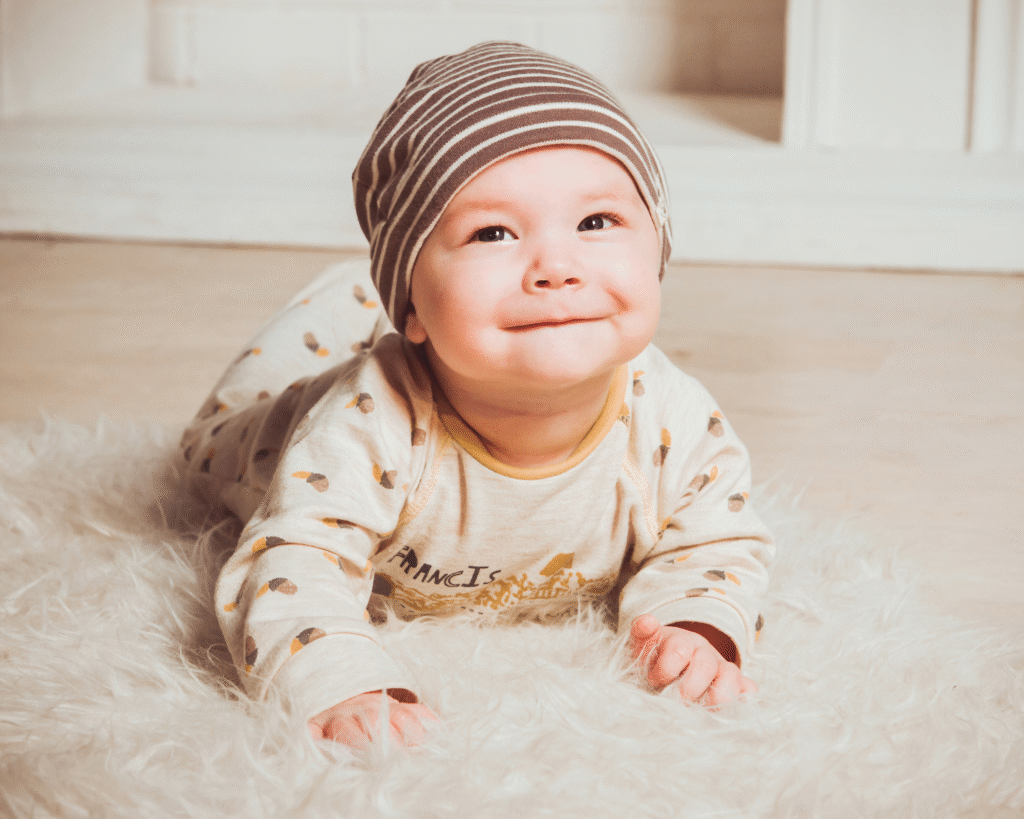
By nature, an infant does not need help to move from one stage to another in their psychomotor development. In the absence of any medical issues and within a caring environment, a baby already has all the abilities needed to control head movements, learn to roll over, crawl, move on all fours, develop fine motor skills, sit up, and eventually walk. On the other hand, propping a baby up to sit, overusing a baby bouncer, holding them upright in a baby walker, directing play too much, or putting shoes on too early deprives them of essential sensorimotor experiences necessary for healthy psychomotor development.

The Sensorimotor Stage

SENSORI

In the first years of life, development is described as sensorimotor.

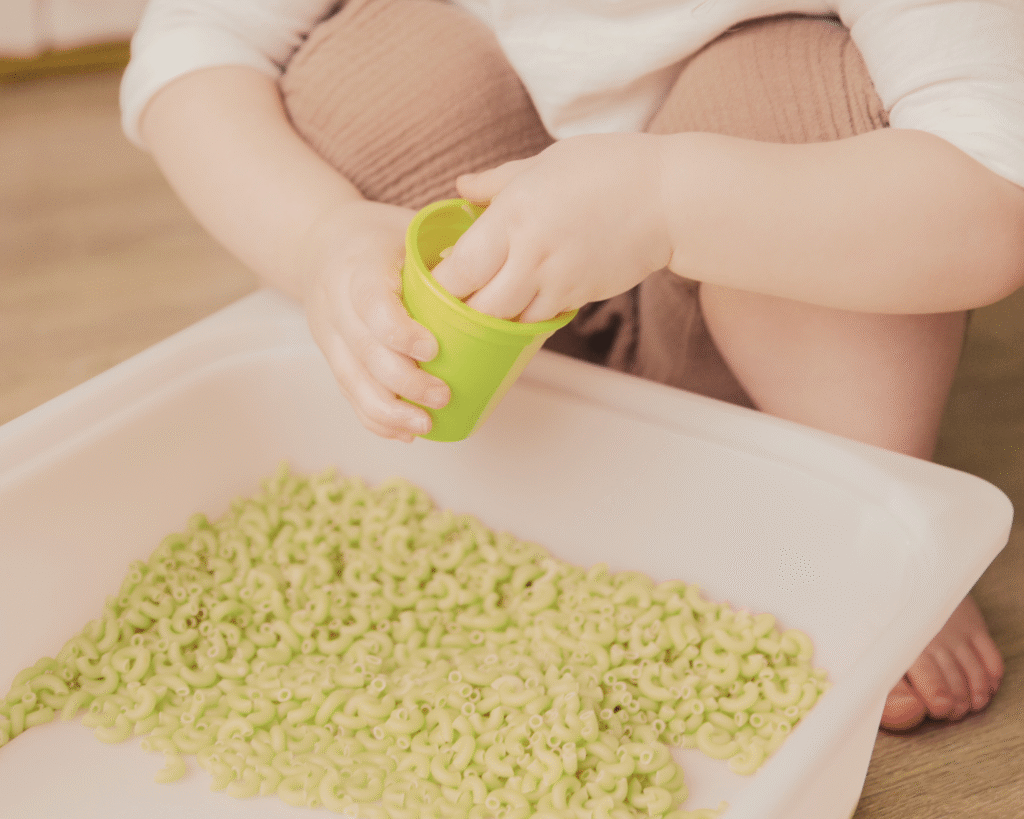
It is called sensori because the baby relies on sensations to explore, discover their world, and initiate movement. They touch, handle objects, listen, taste, smell, and experience comfort and discomfort. Sensations come from the outside (heat/cold, taste, smells, noise, light…) but also from within (digestive sounds, gas, hunger, sensations of imbalance, muscle relaxation…). Each sensory input triggers involuntary motor (and also emotional) reactions that, over time, become voluntary, controlled, and adapted to each situation.

This is how, little by little, the infant learns to calm their cries as soon as they sense the milk being prepared or their mother getting ready to breastfeed.

MOTRICITY

Motor because the baby’s early involuntary movements generate a multitude of sensations. Pleasant sensations, in turn, spark the baby’s curiosity and desire to keep exploring their environment. Little by little, an involuntary movement—such as accidentally touching a soft cuddly toy—turns into a voluntary one. The baby learns to stretch out their arm while opening their hand to grab the toy and relive that pleasant sensory experience.

One day, they might grab a string and pull it by accident… What a surprise to find a little dog at the end of it, moving its head and full of colors! From then on, the baby wants to repeat this spontaneous movement that allows them to reach fun and engaging toys. Through repetition, this movement becomes voluntary and increasingly precise.

Sensorimotor intelligence is based on experimentation and repetition. The accumulation of sensory and motor experiences plays a key role in cognitive development and fosters independence.

Free Motor Development: it means giving the child the opportunity to explore their body in space, in different positions, at their own pace and without constraints.

Together, these elements form a supportive approach. The goal is to set up an environment that allows the child to explore freely and safely—both physically and emotionally. It is about offering complete freedom of movement.

The golden rule of free motor development: never place a baby in a position they cannot reach on their own. The aim is to avoid creating tension that goes against natural movement or to avoid stimulating muscles that are not yet ready to support certain positions. On a cognitive level, the baby must also be able to analyze, integrate, and use the sensations generated by each position to adjust appropriately.

At each stage of development, the child learns to master their body, emotions, and new cognitive and language skills. They need time to develop new abilities, strengthen them, make cause-and-effect connections, and integrate everything into social and emotional interactions. At every stage, they consolidate the essential foundations for future learning.

Each stage is fundamental. Every one of them serves a purpose:

→ To integrate primitive reflexes, which form the basis of voluntary movement.
→ To support emotional and cognitive development.
→ To strengthen muscles and posture.
→ To prevent muscle tension that could interfere with natural movement.

Let’s trust our babies. Why rush them—why push them to sit or walk before they’re ready? These little ones grow fast enough as it is.

To experiment again and again in order to integrate reflexes — the foundation of voluntary movement.

All infants are born with primitive reflexes. These form the framework for the voluntary movements that will appear over time. They are present very early in utero and play a vital role in both the birthing process and the newborn’s survival.

It is essential that these reflexes are present at birth, as they indicate healthy neurological development. In fact, they are part of the pediatrician’s initial assessment. However, during the first year of life, these primary reflexes must gradually become integrated. It is through the repetition and variety of sensorimotor experiences—at every stage of development—that these reflexes are integrated, making way for voluntary movement. Each stage is therefore indispensable.

Furthermore, the integration of primitive reflexes has significant effects not only on motor development but also on cognitive and emotional growth.

To experiment again and again in order to support emotional and cognitive development.

From a psycho-emotional point of view, free motor development allows the baby to strengthen self-esteem and self-confidence. Thanks to the caring gaze of the adult, and by being an active participant in their own development, the baby feels competent and “able to do.” They learn to take initiative, to persevere, and to experience a sense of achievement and fulfillment. This personal fulfillment, in turn, enables them to reach out to others and form connections with their peers.

From a social point of view, the baby also develops trust in the adult (in others) who guides, encourages, reassures, and comforts them. This emotional support helps the child to absorb, integrate, and identify their emotions.

Through experience and repetition, the child also learns their limits. Becoming aware of danger, they are less likely to take unnecessary risks in hazardous situations.

From a cognitive point of view, the repetition of sensorimotor experiences in a free and spontaneous way helps develop a wide range of cognitive skills:

  • Understanding cause-and-effect relationships

  • Developing object permanence

  • Learning to categorize, sort, and organize information and objects

  • Understanding spatial and temporal concepts

  • Memorizing

  • Developing attention

  • Creating strategies to understand situations and solve problems

  • Learning to orient oneself and navigate the environment

  • Increasing brain plasticity: the repetition and multiplication of positive motor and cognitive experiences stimulate synapse formation, thereby expanding the neural network.

So, what does this look like in practice?

The environment

Start by setting up and securing the environment: use outlet covers, corner guards for tables or bed frames, drawer and door stoppers, and other safety measures as needed.

You can create a play area with a floor mat in the living room so your child can move freely in a pleasant, safe, and nurturing space—while staying within your view.

Get down to their level and observe what they can reach. It’s best to keep dangerous or valuable objects out of reach. This way, you can relax while your little one explores the house and avoid having to say “no” all day long.

Organize their bedroom so they can access and use their toys and books independently.

Keep their clothes accessible so they can choose what to wear when the time comes.
Practical tip: only leave out seasonal clothing to avoid swimsuit requests in the middle of winter or wool hats in summer!

At the entrance, set up a coat rack at their height so they can hang up their coat and backpack, along with a small basket within reach for gloves, hats, or caps and sunglasses. If space allows, you can also add a small shoe bench.

Comfort First

Clothing should be comfortable so the child can move freely. Avoid outfits that are too tight or too loose. Dresses and tiny jeans may look adorable, but they’re often quite uncomfortable for active movement.

Just imagine crawling around all day at full speed wearing a dress or skinny jeans!

Shoes

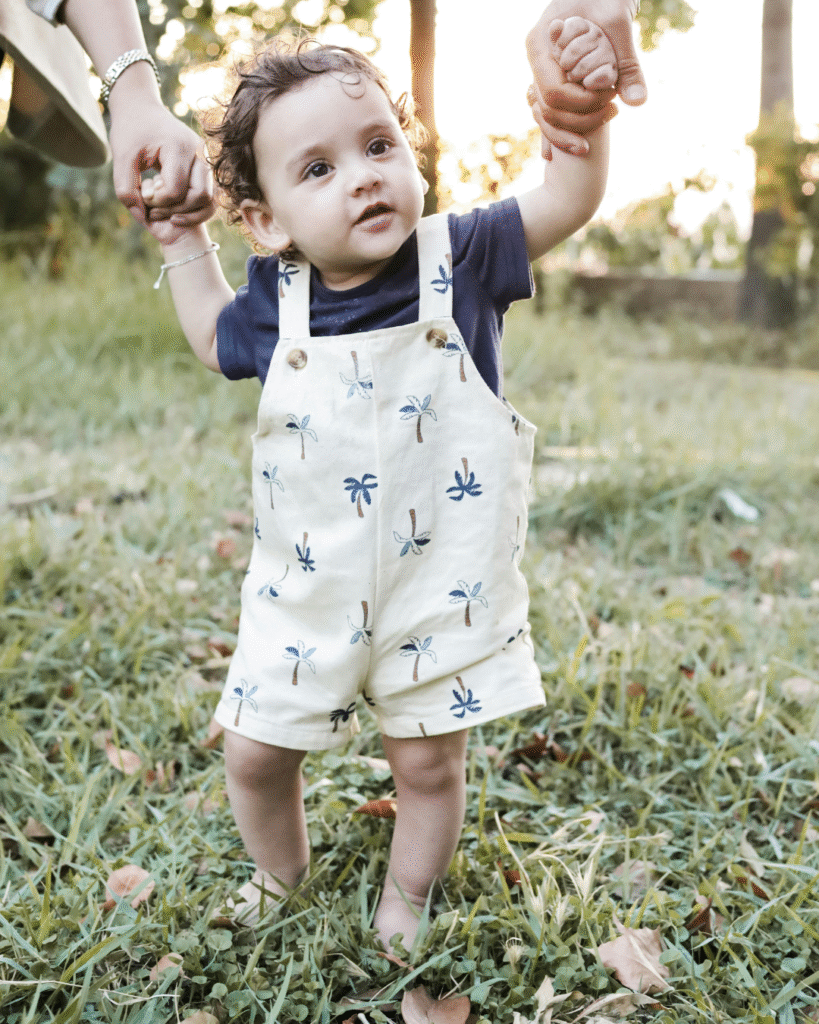
Avoid putting shoes on too early. Babies need to feel all the sensory input from the soles of their feet in order to learn how to adjust their balance. Foot support is the foundation for proper alignment and, therefore, good posture.

At home, barefoot is ideal; if that’s not possible, choose soft slippers. The flow of sensory information helps the baby build a memory of different sensations, which they will later use to produce fine and appropriate motor responses in various situations.

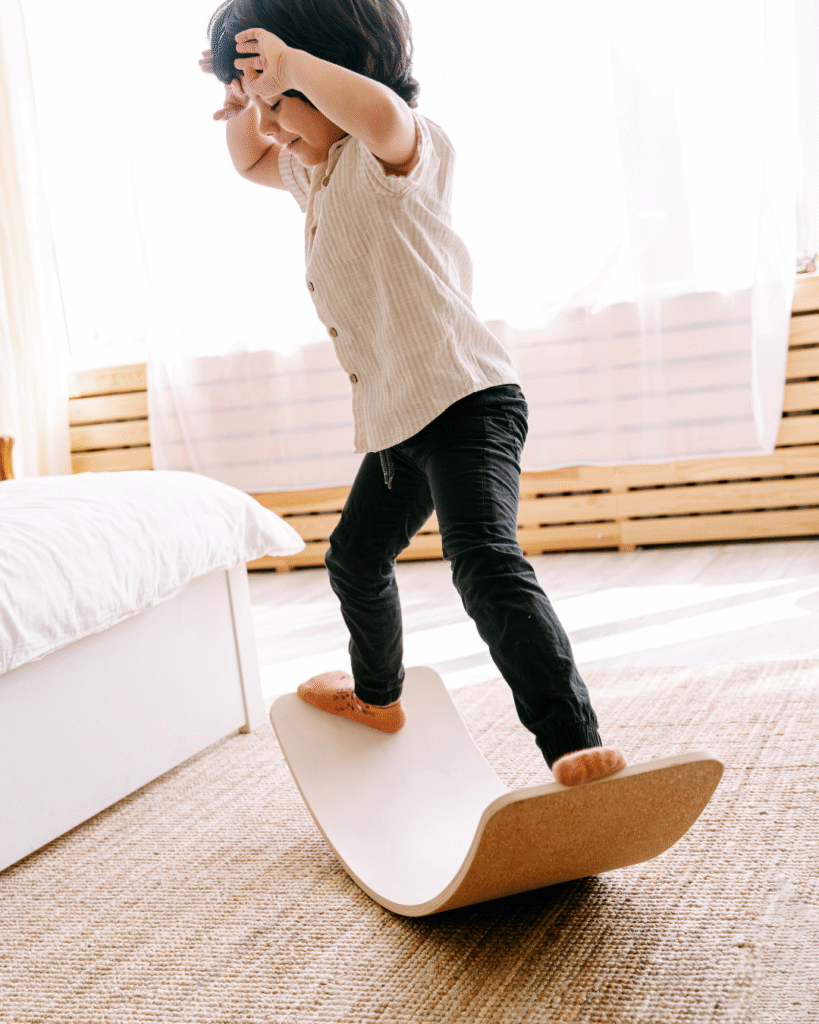
They need to feel the imbalances caused by different floor textures and learn how to adjust their posture accordingly. Whether the surface is hard or soft affects both the foot support and the alignment of the spine, as well as balance control. The baby must learn to engage their whole body in harmony with these sensations.

Awareness of plantar pressure points plays a crucial role in learning how to roll the foot while walking, manage balance shifts, and maintain stable postures.

How to Support Free Motor Development

Learning to Walk

To learn to stand, there’s nothing better than a sturdy sofa to hold onto. Babies can practice getting onto one knee (like a knight rising) before pulling themselves up to stand.

To support the acquisition of walking, push toys are excellent tools. You can add some weight, like books, to help the baby stabilize their posture at first and prevent being pulled too far forward. Avoid holding them by the arms in the air—think about it: walking with your arms up is uncomfortable! Plus, the baby cannot learn to use arm movement to balance while walking. It’s better to support them lightly at the hips and guide the rotational movement naturally.

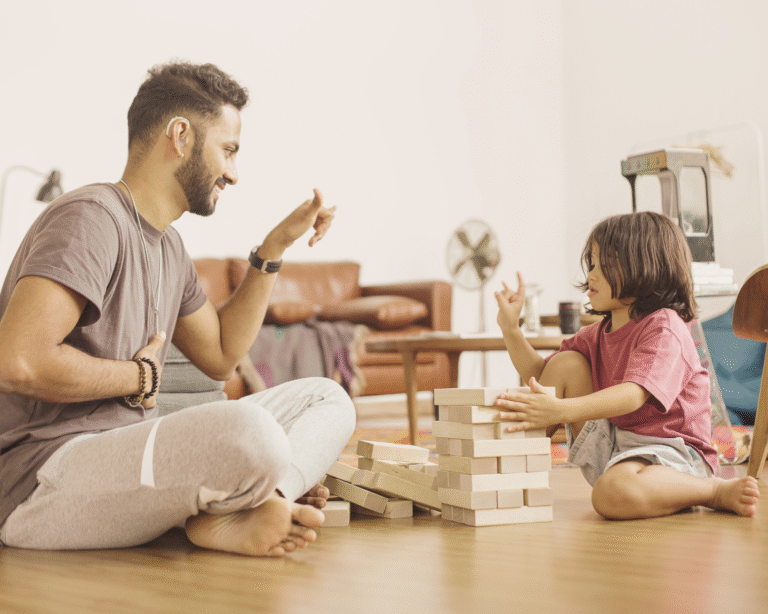
In free motor development, you are not just observers—you are companions and participants! Play with them, get down on the floor, and be at their level. Babies love to imitate and need to see you in action.

Encouraging Movement

Place objects around the baby or just within reach to encourage rolling and moving.

If you want to help them get out of an uncomfortable position, use their gaze to prompt movement. For example, have them follow a toy with their eyes to help roll over and free an arm trapped under the torso. You can also place a toy slightly out of reach to encourage crawling.

Use a rattle or noise-making toy to help them orient themselves toward sound.

During diaper changes, follow the natural movement of the body: rotate the hips gently to the right or left when wiping. Then, you can help the baby sit up by supporting one hand while gently guiding the other hand to assist the movement.

The Role of the Adult

Free motor development does not mean leaving the baby to play alone in a corner!

Adults are attentive and caring observers of psychomotor development. You are the companions of the baby’s actions and the emotions they generate.

Get down to their level to enter their world and better understand their current interests. By creating a safe and supportive environment, you provide the emotional security essential for healthy psychomotor development.

Our interventions should be balanced—neither too intrusive nor too passive. It’s important to allow motor initiatives while also being ready to assist if an action is too difficult or potentially dangerous.

We must also manage our own emotions during their sometimes surprising or precarious motor explorations. Our fears or anxieties can make the baby feel insecure and hinder their initiatives. Try to stay calm and avoid panicking!

During the acquisition of walking, falls are common and normal. Unless there is a serious injury, avoid immediately picking the baby up. Support them, ensure they are not hurt, and encourage them to get up on their own. Often, they will continue as if nothing happened.

Frustration: Their Best Ally for Progress!

At certain stages, babies may complain when in an uncomfortable position or feel frustrated at not being able to reach a toy. Faced with their annoyance, we are often tempted to place them in the desired position or give them the coveted object. Yet, this frustration is motor—it motivates them to try different movements to reach their goal, whether that’s sitting up or rolling over to grab a colorful rattle. In these moments, it’s valuable to guide them toward solutions in the direction of movement.

As parents, you are companions of movement. With your support, the baby learns to use their muscles effectively and in harmony with natural movement. You accompany them physically and emotionally, putting words to their experience: “The toy is far away, it doesn’t look easy, it’s frustrating, but I know you can do it. Try again, I can move it a little closer, and you’ll get it.”

By encouraging them, you help the baby persevere in their actions, strengthening both motor skills and confidence in their abilities.

To Avoid in Free Motor Development

Overstimulation

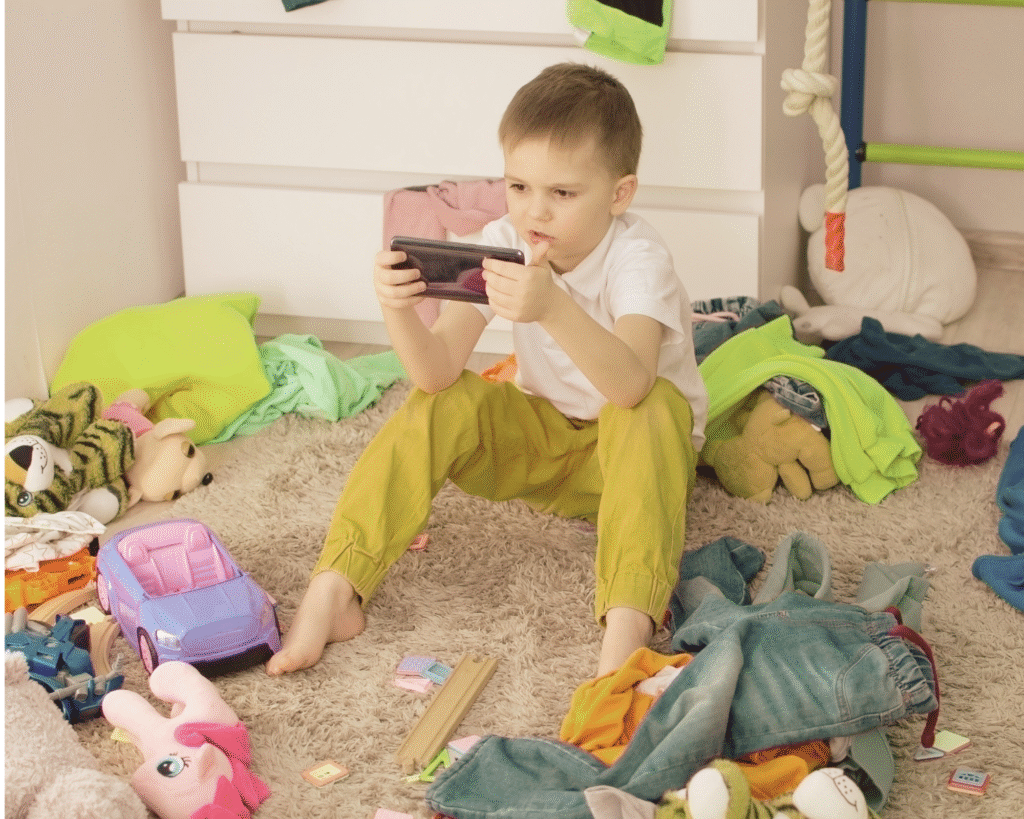
Free motor development does not mean overstimulation. Ensure that there are not too many toys on the play mat, giving the baby time to explore and manipulate each toy. Having too many objects available can be counterproductive. Faced with an excessive choice, the baby may flit from toy to toy without deeply exploring, then lose focus, close off, or become fussy. These reactions are their way of communicating “stop”.

The brain cannot process multiple new sensory inputs at the same time. This is why play mats with overly busy arches that bombard the baby with visual, auditory, and tactile stimuli are not suitable tools for supporting development.

Placing in Unacquired Positions

In free motor development, a baby should never be placed in a position they cannot achieve independently.

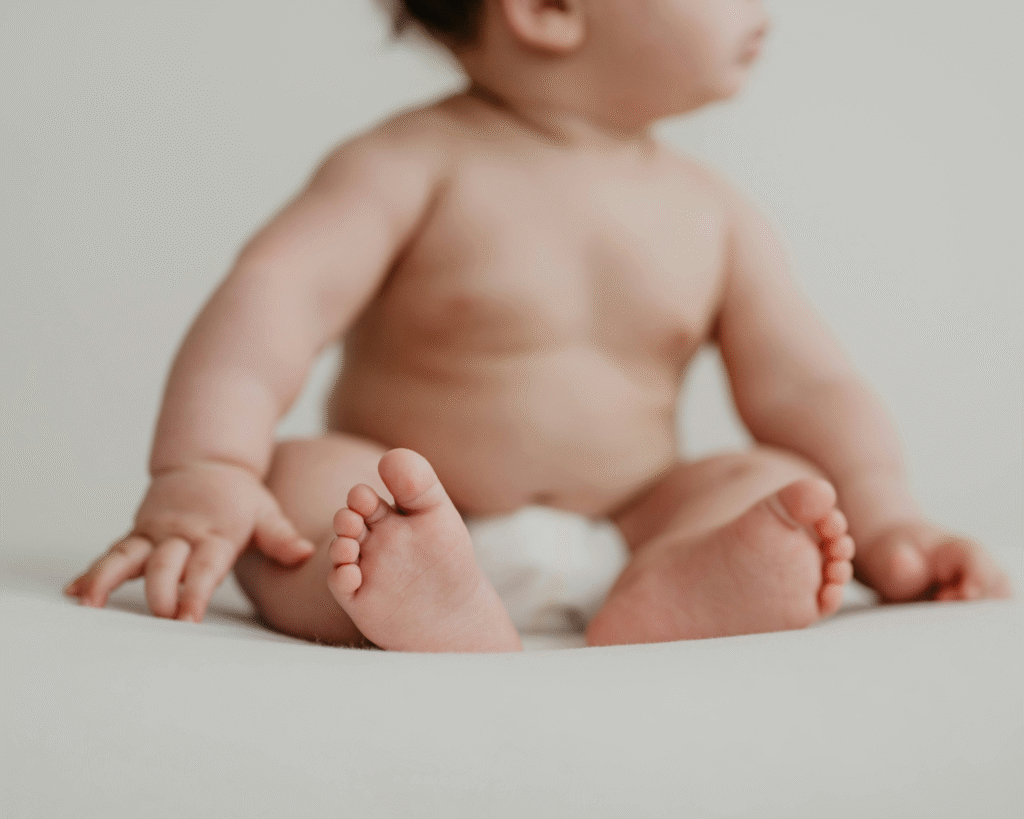
Avoid propping them into a sitting position if they are not yet able to do so. Sitting requires a fine balance between anterior and posterior muscles to maintain posture and manage shifts in balance. The baby also needs to be able to use their hands for support. Sitting too early can trigger unintegrated reflexes, creating muscular tension. The reflex activates, and the baby has no control over their posture, which can feel very insecure. They may become hypervigilant, tensing their body to prevent falls. Additionally, they miss out on essential floor experiences needed to crawl and move on all fours.

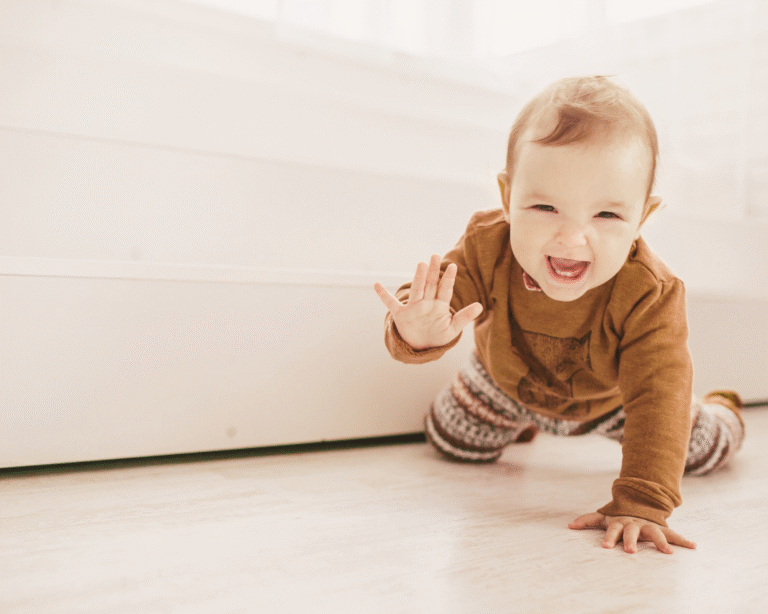
Often, a baby placed in a sitting position will begin to move by scooting on their bottom, skipping the crucial stages of crawling or moving on all fours. Crawling is essential to:

  • Coordinate upper and lower body movements (e.g., left hand with right foot).

  • Practice cross-lateral movements that are vital for neurological development.

  • Strengthen head control and spinal alignment.

  • Develop peripheral and focal vision.

  • Exercise hand and foot support—hand support is important for future fine motor tasks like writing, and foot support is essential for walking.

Skipping these stages limits motor, cognitive, and perceptual development, making early sitting a practice to avoid.

In Conclusion

Free motor development is about supporting your child on the path to autonomy. It means respecting their pace, desires, and needs. It involves accompanying them in their motor, sensory, emotional, and cognitive development so they can find their place within the family and in their environment.

As parents, we are also on our own journey of parenting. Our well-being, desires, and needs must be taken into account so that we can support our children as best as possible.

If using a bouncer occasionally allows you to cook peacefully, or if placing your baby in a sitting position temporarily calms them when they are very upset, do not feel guilty! Just be aware not to prolong these positions unnecessarily. Your baby may be at a stage where they need extra support to learn to roll over or sit up independently.

“Help me do it myself!” “To learn, I need to move.”
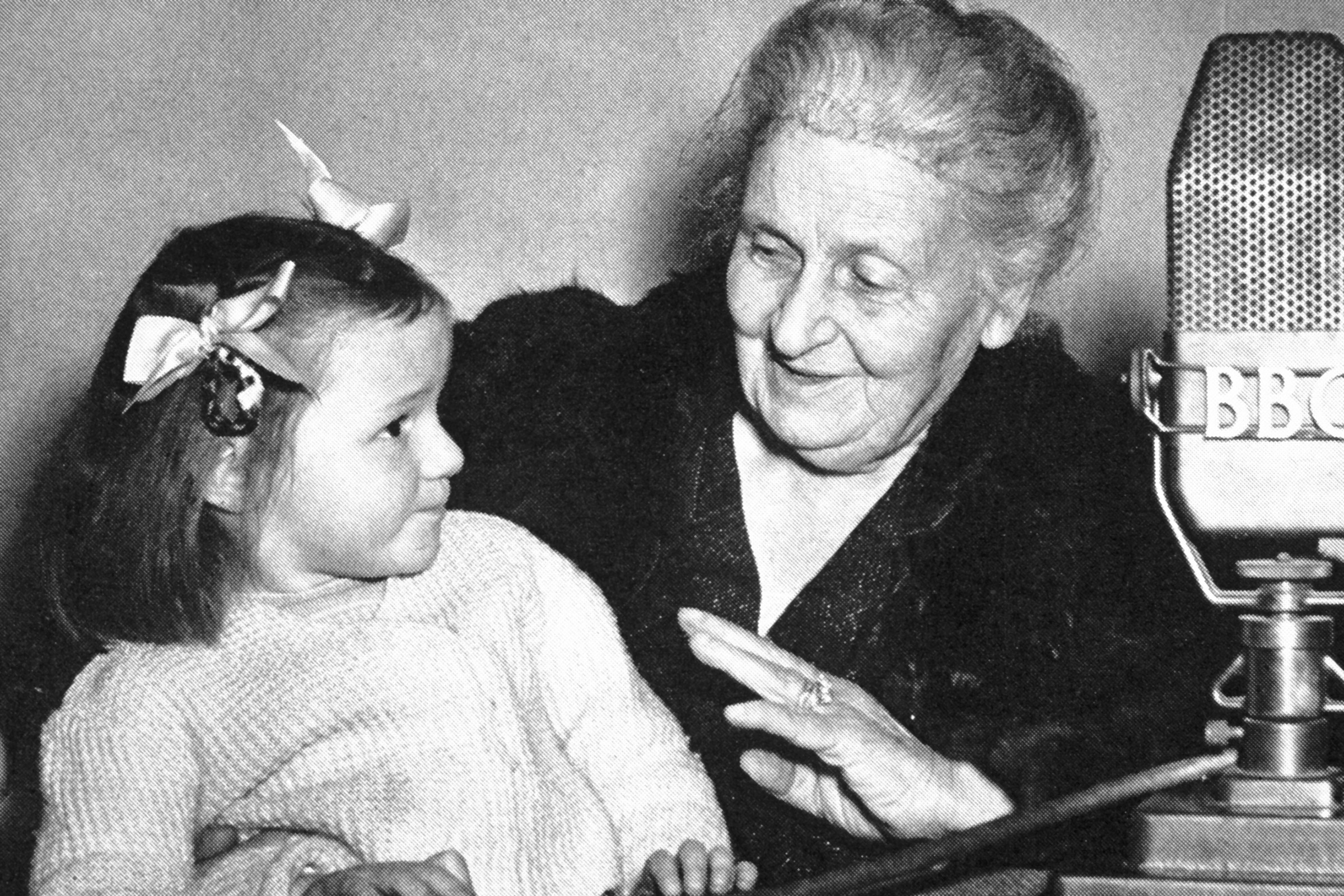
Maria Montessori

Prenez rendez-vous en toute simplicité, selon le format qui vous convient

Certaines consultations se déroulent en présentiel à la Maison de Santé d’Amsterdam, d’autres peuvent être proposées à distance en visio, selon vos besoins et votre situation. Pour certains services, vous avez le choix du format (visio ou cabinet), afin de vous offrir un accompagnement flexible et accessible, où que vous soyez.

A distance

Par visio

En présentiel

A la Maison de Santé d’Amsterdam Zuid

Psychomotricité Amsterdam, KVK number: 77424557 

IBAN: NL18BUNQ2042927120

AGB Code: 90094601

Numéro ADELI: 78 96 0267 9

Registered with the Dutch Psychomotor Therapy (PMT) association

FVB, Federatie Vaktherapeutische Beroepen organization, number: 113997

Emilie Martin-Chave – Copyright – Tous droits réservés

Psychomotricienne D.E, Spécialiste Sommeil et Guidance Parentale – à Amsterdam ou à distance

  • English
  • Français