

BLOG
Psychomotricity & ADHD
What Approaches Help Children?
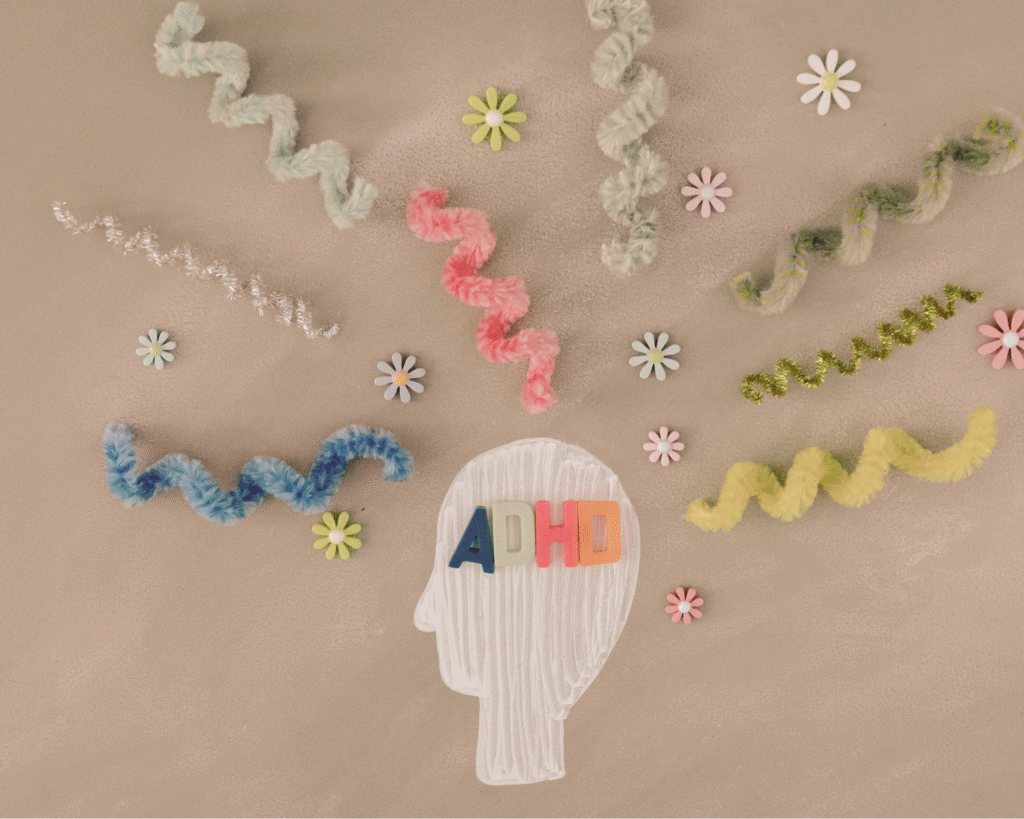
ADHD — Attention Deficit Hyperactivity Disorder — affects about 5% of school-age children. Inattention, restlessness, impulsivity… these symptoms can quickly impact daily life, learning, and relationships with others.
Faced with this complex disorder, psychomotricity and structured educational methods such as the Barkley method offer effective and complementary tools to better support children.
ADHD and Psychomotor Development: What Are the Connections?
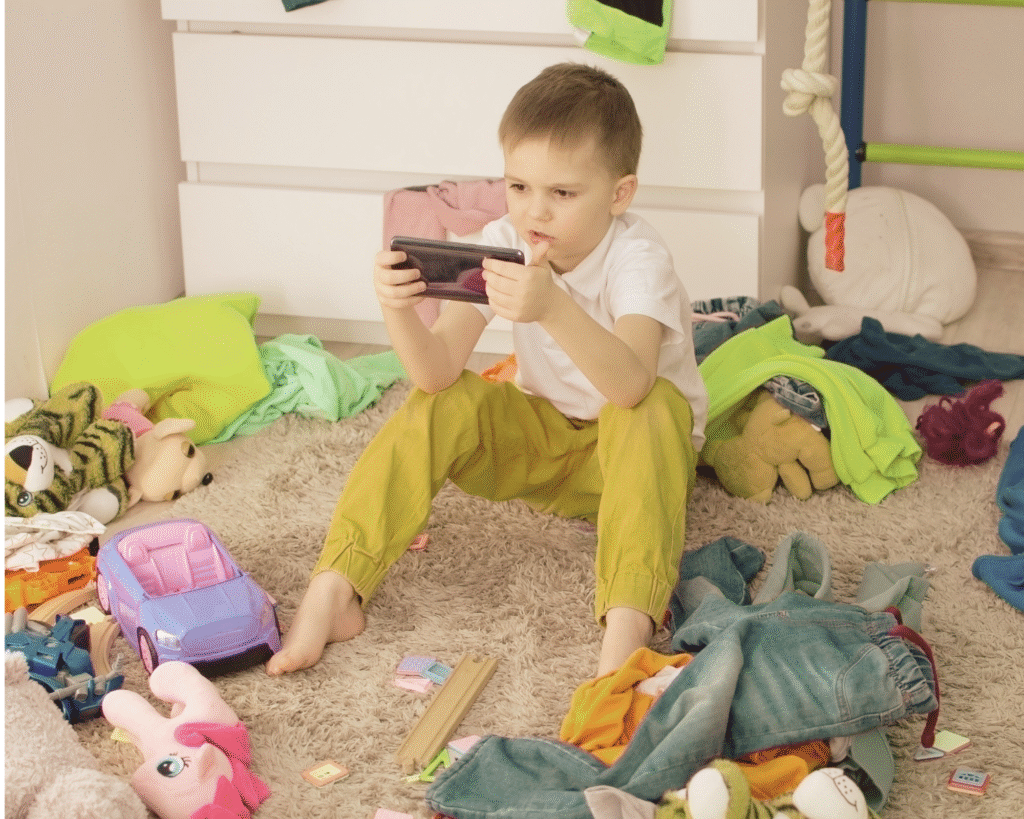
In children with ADHD, executive functions—attention, planning, and self-control—are often immature or impaired. This frequently manifests as:
Unstable motor skills (restlessness, sudden movements)
Poor motor coordination
Difficulties regulating emotions
Motor inhibition deficits
Low body awareness
Psychomotricity aims to restore harmony between the bodily, sensory, cognitive, and emotional spheres. The sessions focus on developing muscle tone, coordination, self-feedback, sensory perception, self-awareness, and the ability to channel energy.
What Does the Psychomotor Therapist Do for a Child with ADHD
Psychomotor follow-up offers playful, physical, and sensory activities tailored to the child’s needs. These may include:
Rhythm and coordination games
Relaxation, breathing exercises, and body awareness activities
Attention exercises through movement
Work on emotions and bodily grounding
The goal is to strengthen motor and attentional skills, as well as to improve self-esteem and self-regulation abilities.
The Barkley Method: A Structuring Framework for Parents and Educators
Developed by American psychologist Russell A. Barkley, this method is based on clear and compassionate educational principles designed to help children with ADHD better manage their behavior. It revolves around three main pillars:
Reinforcing positive behaviors through clear and consistent encouragement and rewards.
Learning to structure daily life with routines, simple instructions, and a predictable environment.
Responding appropriately to inappropriate behaviors with immediate, proportionate, and explained consequences.
This approach does not aim to “punish” the child but to gradually teach them self-regulation within a stable and reassuring framework.
Psychomotricity and the Barkley Method are not opposed; they complement each other:
→ Psychomotricity works at the level of the body, sensorimotor regulation, and emotional regulation.
→The Barkley Method addresses behavior and executive functions, such as planning, self-control, and organization.
→ The Barkley Method targets behavior and parent-child interactions by structuring the environment.
→Together, they provide a comprehensive support system—emotional, motor, cognitive, and educational—that is essential for helping a child with ADHD grow and thrive.
BLOG
Read more about psychomotricity
Free movement
Free movement for a baby means allowing them to explore their physical abilities naturally, at their own pace, without being restricted by devices like bouncers or walkers. This approach, rooted in philosophies like the Pikler approach, encourages independence and supports cognitive, motor, and sensory development by giving babies safe spaces to move, roll, crawl, and explore their environment on their own.
Psychomotricity and ADHD: What Approaches Help Children?
ADHD affects about 5% of the population, often disrupting attention, behavior, and motor control.
Guidance and psychomotricity help patient develop better self-regulation and body awareness.
Psychomotor therapy uses movement and sensory play to support emotional and motor skills.
The Barkley Method provides structure through routines, rewards, and clear communication.
Together, they offer a comprehensive approach to support children with ADHD.

Psychomotricité Amsterdam, KVK number: 77424557
IBAN: NL18BUNQ2042927120
AGB Code: 90094601
Numéro ADELI: 78 96 0267 9
Registered with the Dutch Psychomotor Therapy (PMT) association
FVB, Federatie Vaktherapeutische Beroepen organization, number: 113997
Emilie Martin-Chave – Copyright- All rights reserved
CONTACT
Hygiëastraat 8
1076 RM Amsterdam