



Psychomotricity
Psychomotor Therapy: a holistic approach through body and mind
Psychomotricity (PMT) is a therapeutic approach that supports the whole person — physically, emotionally, relationally, sensorily, and cognitively.
It is a gentle, practical, and progressive therapy suitable for all ages. Psychomotricity helps individuals feel more at home in their bodies, manage emotions, develop key skills, and build self-confidence.
A Recognized Paramedical Discipline
Psychomotricity is a paramedical profession regulated by the Ministry of Health in France. It is based on the idea that the human being functions as a whole: body, emotions, and neurological functions are closely connected, influencing and interacting with each other constantly.
An Integrative Approach
Psychomotricity relies on a holistic view of the person. It considers that each individual is influenced by their history, environment, emotions, and physical abilities.
A Practice Rooted in the Body and Sciences
It is grounded in scientific foundations:
Neuroscience
Neuroanatomy
Physiology
Developmental psychology
Psychiatry
It is involved in several areas:
Prevention
Screening
Rehabilitation
Body therapy
Therapeutic education
It uses a variety of therapeutic tools:
Gross and fine motor activities
Concentration and planning games
Sensory and sensorimotor activities
Relaxation and body expression
Graphic arts, painting, drawing
Who can benefit from psychomotor therapy?
When the balance between the physical, emotional, sensory, and cognitive spheres is disrupted—due to neurodevelopmental, psychological, or physical disorders—a psychomotor therapist steps in to help the individual regain bodily and mental harmony through a body-centered therapeutic approach.
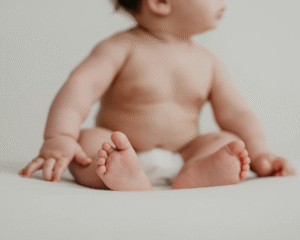
Babies
Delays in walking acquisition, Delays in gross or fine motor skills, Delays in verbal and non-verbal communication, Low muscle tone (hypotonia) or high muscle tone (hypertonia), Difficulty forming relationships, Sleep disorders, Challenges in holding the head up, sitting, turning over, crawling
CHILDREN & TEENS
Motor clumsiness, Difficulties with handwriting, Agitated, inattentive, or inhibited behavior, Frequent and intense emotional outbursts, Persistent learning difficulties, Neurodevelopmental disorders such as Autism Spectrum Disorder (ASD), ADHD, Sensory processing disorders, Anxiety, Giftedness (high potential)
Adults
Chronic stress, Professional burnout, Anxiety disorders, Difficulties with concentration and organization, Loss of bodyawareness (following trauma or accidents), Sensory hypersensitivity, High intellectual potential (giftedness), Neurodevelopmental disorders (ADHD, ASD, etc.)
WHAT YOU'RE EXPERIENCING TODAY
→ Motor or speech development delays
→ Persistent academic difficulties despite efforts
→ Agitated, inattentive, or, conversely, highly inhibited behavior
→ Frequent emotional crises, hypersensitivity, or difficulties in social interactions
→ Hyper- or hypo-sensory sensitivity
→ Significant clumsiness, lack of coordination, and handwriting difficulties
→ Overwhelming anxiety and sleep disorders
→ Concerns about neurodevelopmental disorders such as Autism Spectrum Disorder (ASD), ADHD, sensory processing disorders, high intellectual potential (giftedness), dyspraxia, and more.
WHAT WE AIM TO ACHIEVE TOGETHER
→ Better understand how one functions
→ Improve emotional and attentional regulation
→ Develop motor and cognitive abilities
→ Strengthen autonomy and self-confidence
→ Find one’s place in relationships with others
→ Reconnect with bodily sensations
→ Restore or enhance self-esteem and confidence in skills
→ Enhance planning, organizational, and spatial-temporal orientation skills
→ Adjust responses to sensory stimuli (hypersensitivity or hyposensitivity)
→ Achieve better tonico-emotional regulation
Psychomotor follow-up is a tailor-made, gradual, and collaborative process designed to create a space where individuals can grow, heal, or find calm through their body.
Overview of the support journey
Each psychomotor support begins with a listening and assessment phase to fully understand the individual’s needs and develop a tailor-made, personalized follow-up plan.
01
Fisrt consultation
→ Phone call to understand the request and discuss your expectations.
→ Targeted questionnaires sent by email to collect important information (life history, development, family or professional context, observed difficulties, etc.).
02
Psychomotor assessment
→ 2-hour session for a comprehensive assessment of psychomotor functioning
→ Standardized tests, observations during play situations, physical activities, and age- and issue-appropriate interactions
→ Analysis time
→ A written report and a feedback meeting are provided at the end of the assessment to present the results and discuss possible next steps
03
Session
→ If support is recommended, individual sessions will be arranged
→ Session duration: 45 minutes
→ Frequency: most often weekly
→ Content: physical, sensory, creative or symbolic activities, motor games, relaxation, emotional expression, etc.
Have a question? Be sure to check our FAQ
FEES
Psychomotor Support and Care
Psychomotor Assessment
→ First consultation to understand the issue and establish the foundation of the support.
FEES : 90 €
→ One 2-hour session to assess motor, perceptive, and emotional skills
→ Analysis phase
→ Feedback session
FEES : 310 €
Session
→ Session duration: 45 minutes
→ Frequency: Usually weekly, adjusted to individual needs
→ Upon request: Participation in one educational meeting per year
→ With patient consent: Coordination with other professionals (teachers, doctors, speech therapists, psychologists, occupational therapists, etc.)
FEES : 90 €
Book your appointment easily, in the format that suits you best.
Some consultations take place in person at the Maison de Santé in Amsterdam, while others are available remotely via video call, depending on your needs and situation. For certain services, you have the choice between online or in-office sessions, offering you flexible and accessible support wherever you are!
Remote
Video call
In-Person
At Maison de Santé-Amsterdam Zuid
FAQ – Psychomotor Support and Care
FOR BABIES, CHILDREN, TEENS AND ADULTS
Is an assessment necessary before starting the sessions?
Yes, in most cases.
The psychomotor assessment helps evaluate:
The person’s overall functioning (motor, sensory, emotional…)
Their specific needs
The priority areas for follow-up
A feedback session is then offered, along with a written report.
How often are the sessions held?
Sessions are generally held weekly (once a week), but the frequency can be adjusted depending on the individual’s situation. Regularity plays a key role in the effectiveness of the therapy.
What happens during a session?
The activities depend on age and individual needs, and may include:
Motor pathways, balance, and coordination games
Sensory activities: touch, movement, music, stimulations
Relaxation, breathing, and calming techniques
Symbolic play or emotional expression games
Planning and concentration activities
Each session is personalized and takes place in a safe, supportive, and nurturing environment.
Do parents attend the sessions?
For very young children, parents may be present for all or part of the session.
For older children, sessions take place without parents, but regular opportunities for communication are provided.
For adolescents and adults, confidentiality is respected while encouraging open communication when needed.
Is Psychomotor Therapy Reimbursed in Amsterdam?
Health Insurance Coverage for Psychomotor Therapy
Vaktherapie Nederland recognizes reimbursement from the following health insurance companies:
Aevitae
De Christelijke Zorgverzekeraar
De Friesland
ONVZ
VVAA
Zilveren Kruis
Psychomotor therapy can also be reimbursed under the Youth Act through a Personal Budget (PGB). Within a PGB, both direct client time (therapy sessions, parent meetings, multidisciplinary consultations) and indirect time (reporting) can be reimbursed, provided these are included in the treatment plan.
More info
Some mutual insurance companies or international insurances (e.g., CFE, April, Allianz, OOM, etc.) may offer partial coverage.
A receipt or invoice will be provided after each session or at the end of the month.
BLOG
Better Understand Your Psychomotor Functioning
Free movement
Free movement for a baby means allowing them to explore their physical abilities naturally, at their own pace, without being restricted by devices like bouncers or walkers. This approach, rooted in philosophies like the Pikler approach, encourages independence and supports cognitive, motor, and sensory development by giving babies safe spaces to move, roll, crawl, and explore their environment on their own.

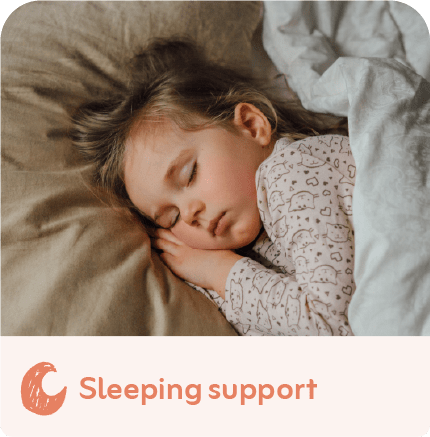
Sleep consulting-1001 sleeps
Baby sleep is a gradual, emotional process—not a performance or fixed timeline.
The 1001 Dodos® approach emphasizes gentle support, emotional security, and respect for each child’s rhythm.
Harsh sleep training is avoided in favor of calm routines, co-regulation, and presence.
Practical tools like sleep diaries and bedtime rituals help both babies and parents.
With compassion and guidance, even sleepless nights can feel more manageable.

A psychomotor approach to the uniqueness of the Parents-Child Connection
Psychomotor parental guidance offers a body-centered, sensitive approach to parenting.
It focuses on the non-verbal, sensory, and emotional exchanges between parent and child.
Rather than correcting, it supports parents in observing, adjusting, and reconnecting.
This guidance creates a safe, judgment-free space to reflect and feel empowered.
By strengthening the parent-child bond, it fosters growth, trust, and emotional security.
Psychomotricité Amsterdam, KVK number: 77424557
IBAN: NL18BUNQ2042927120
AGB Code: 90094601
Numéro ADELI: 78 96 0267 9
Registered with the Dutch Psychomotor Therapy (PMT) association
FVB, Federatie Vaktherapeutische Beroepen organization, number: 113997
Emilie Martin-Chave – Copyright- All rights reserved
CONTACT
Hygiëastraat 8
1076 RM Amsterdam